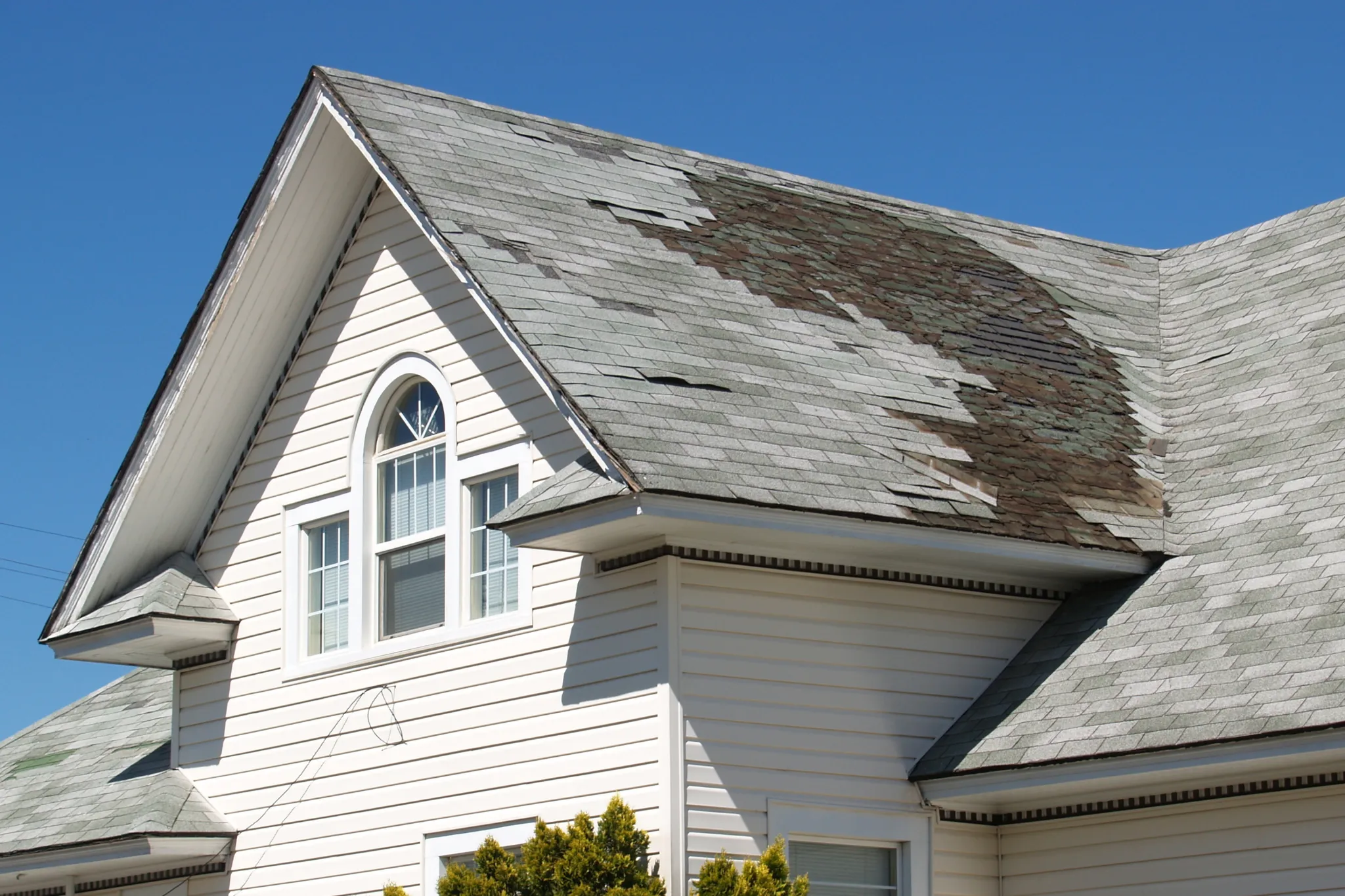
A Complete Guide to Storm Damage Repair and Claims
Storm damage roof repair and the insurance claim often go together, and understanding both helps a Williamsburg in the Woods homeowner navigate the process. This guide covers the types of storm damage, what repair involves, filing a claim, the inspection and adjuster, deductibles and coverage, repair or replace, the roofer's role, and the timeline. The recurring theme is that the repair and claim are intertwined, with a professional inspection documenting the damage and a qualified roofer completing the work. Because coverage, deductibles, and the process vary by policy and insurer, checking your policy and confirming with your insurer is necessary, with a reputable roofer supporting the repair and the claim.
The Process at a Glance
The table below summarizes the storm-damage repair and claim process. Treat it as a quick reference, since the specifics vary by policy and insurer. The recurring theme is a sequence from inspection through claim to repair, with the repair and claim closely connected for your home.
| Stage | What Happens |
|---|---|
| Inspection | Roofer assesses and documents the damage |
| File claim | Report to insurer with documentation |
| Assessment | Adjuster evaluates damage and coverage |
| Deductible | You pay your share; insurer covers the rest |
| Repair | Roofer repairs or replaces the roof |
Summary
In summary, storm-damage roof repair and the claim involve a professional inspection, filing the claim, the adjuster's assessment, your deductible, and the repair or replacement, with a qualified roofer supporting the process and the specifics depending on your policy and insurer. For a Williamsburg in the Woods homeowner, getting an inspection, documenting the damage, working through the claim, and choosing a reputable roofer leads to a sound outcome. Williamsburg in the Woods Roofing provides storm-damage inspections and repairs for Williamsburg in the Woods homeowners. Call (765) 676-3491 after a storm to arrange an inspection and get help with the repair and claim, so the damage is properly assessed, the claim well supported, and the roof restored for your home.
Filing the Claim
Filing the claim involves reporting the storm damage to your insurer and submitting a claim with documentation. The insurer reviews it, typically assigns an adjuster, and processes the claim. For a Williamsburg in the Woods homeowner, providing thorough documentation supports the claim. Understanding how to file helps you start. Reporting the damage promptly, providing your documentation, including photos and the professional inspection, and following your insurer's process get the claim underway, though the specifics vary by policy and insurer, so contacting your insurer, submitting the claim with documentation, and following their steps initiate the process, with the adjuster's assessment and the covered repair following, so filing the claim with good documentation sets up the process for your home.
The Inspection and Adjuster
Two assessments occur: the professional roof inspection and the insurance adjuster's assessment. A roofer inspects and documents the damage and provides an estimate, while the adjuster assesses the damage and determines coverage. For a Williamsburg in the Woods homeowner, having both helps ensure accurate evaluation. Understanding these assessments helps you navigate the process. The roofer's inspection provides documentation and an estimate supporting the claim, while the adjuster evaluates it against your policy, so having thorough documentation and the roofer's assessment available for the adjuster helps ensure the storm damage is accurately and fairly assessed, so being prepared for both assessments supports a sound outcome, with the professional inspection and the adjuster's evaluation together informing the claim for your home.
Deductibles and Coverage
Deductibles and coverage are central to the claim. Your deductible is the amount you pay before insurance covers the rest, set by your policy, and coverage determines what the insurer pays for, often storm damage subject to your terms. For a Williamsburg in the Woods homeowner, understanding these helps you anticipate costs. Understanding deductibles and coverage helps you plan. Insurance generally covers covered storm damage beyond your deductible, though coverage varies by policy, insurer, and location, so reviewing your policy to confirm your deductible and what is covered, and discussing it with your insurer, clarifies your out-of-pocket cost and what insurance will pay, so knowing your deductible and coverage is key to understanding the financial side of the storm-damage repair for your home.
Timeline
The timeline varies, depending on the insurer, the extent of damage, the adjuster's schedule, and the repair scope, so there is no fixed duration. The process moves from inspection and filing to assessment, approval, and repair. For a Williamsburg in the Woods homeowner, the timeline depends on these factors. Understanding that it varies helps you set expectations. Rather than a set duration, the process unfolds over a period that depends on the insurer's process, the damage, and scheduling, so being prepared for the steps to take some time, while addressing urgent damage promptly with temporary measures, helps you navigate it, with your insurer and roofer giving a sense of the expected timeline, so anticipating that the process takes time helps you manage it for your home.
Types of Storm Damage
Storms damage roofs in various ways. Wind can lift, tear, or remove shingles; hail can bruise shingles and strip granules; falling debris can puncture the roof; and heavy rain can exploit weaknesses to cause leaks. For a Williamsburg in the Woods homeowner, the type of damage affects the repair and claim. Understanding the types of storm damage helps you know what may be involved. Different storms cause different damage, from missing shingles to hail bruising to debris impact, so a professional inspection identifies the specific damage your roof sustained, which informs the repair scope and the insurance claim, so recognizing that storm damage takes various forms helps you appreciate the assessment and repair process after a storm for your home.
Repair or Replace
Whether the roof is repaired or replaced depends on the damage's extent and the roof's condition. Localized damage may be repaired, while extensive damage may warrant replacement, with insurance coverage reflecting the covered scope. For a Williamsburg in the Woods homeowner, a professional inspection and the insurance assessment determine which is appropriate. Understanding the repair-or-replace question helps you anticipate the scope. The right approach depends on how extensive the damage is and the roof's age and condition, so a professional assessment, along with the insurance evaluation, determines whether repairing the affected areas or replacing the roof is appropriate, so the inspection and claim clarify the scope rather than it being assumed, ensuring the storm damage is addressed appropriately for your home.
The Repair
Storm-damage roof repair involves restoring the affected areas to return the roof's integrity. Depending on the damage, this may mean replacing damaged or missing shingles, repairing flashing, sealing leaks, or, for extensive damage, replacing the roof. For a Williamsburg in the Woods homeowner, the scope depends on the type and extent of the damage. Understanding the repair helps you know what to expect. The repair addresses the specific storm damage, whether localized or extensive, so a professional inspection identifies what needs repair or replacement and a qualified roofer completes the work, restoring the roof's protection, so the repair is tailored to the damage, returning the roof to good condition after the storm, with the scope determined by the inspection for your home.
The Roofer's Role
A qualified roofer plays a central role in storm-damage repair and the claim, assessing the damage, providing documentation and a sound estimate, completing quality repairs, and in some cases supporting the insurance process. For a Williamsburg in the Woods homeowner, a reputable, experienced roofer is key to a good outcome. Understanding the roofer's role helps you choose well. A roofer experienced in storm work provides an accurate assessment and quality repair and can supply documentation that supports the claim, so choosing a reputable, established local roofer, rather than an unknown door-to-door contractor, helps ensure the repair is done right and the claim well supported, so the roofer is a central part of the process. Williamsburg in the Woods Roofing provides storm-damage repairs for Williamsburg in the Woods homeowners.